Modern style isn’t reserved for people with unlimited budgets. Most “expensive-looking” outfits are simply well planned: the fit is right, the colors work together, and the pieces can be worn in multiple settings. If you shop with intention and learn a few upgrade techniques, you can look current, confident, and polished while spending far less than you might expect.
think like a stylist, not a shopper
The fastest way to overspend is buying random items that don’t connect. A stylist starts with a plan: what’s missing, what’s versatile, and what creates the biggest visual improvement. Your goal should be building a small system of outfits rather than collecting isolated pieces. Once you define your everyday needs work, weekend, going out you can shop smarter, avoid waste, and still look updated.

Know your “core palette” before you buy anything
A modern wardrobe becomes easier when most items share compatible colors. Pick two neutrals you love (like navy and charcoal, or black and olive), then add one lighter neutral (cream, stone, light gray) to keep looks fresh. With a core palette, you can mix tops and bottoms without needing a new purchase every time you want a new outfit.
This also helps you avoid buying loud pieces that only match one thing. If you do want a statement item, keep it within your palette so it still coordinates. A controlled color strategy makes budget pieces look more intentional because everything appears curated.
Fit hacks that create an instant “upgraded” effect
Fit is the cheapest luxury. Even a basic tee and inexpensive pants can look sharp when the proportions are right. Start by checking three areas: shoulder seams, waist placement, and pant length. If the shoulders are correct, a tailor can fix many other issues for a small fee.
For pants, prioritize a clean line through the thigh and a hem that suits your usual shoes. One simple alteration hemming or a light taper can make affordable items look custom. This is especially helpful when you’re shopping for men’s trendy bottom wear because modern silhouettes often look best when the length and opening are precise.
Build outfits around three “workhorse” layers
Layers add structure, and structure reads as expensive. You don’t need many. A modern closet can lean on three workhorse layers:
- a clean overshirt or chore jacket
- a fine-gauge sweater or cardigan
- a simple, structured outer layer (like a minimal coat or casual blazer)
Choose neutral colors and avoid fussy details. These layers can upgrade a plain base outfit instantly and let you rewear the same tee or shirt in multiple ways without looking repetitive.
Use affordable fabrics the right way
Some low-cost fabrics look great when styled correctly, while others start to look cheap very quickly. Instead of focusing only on fiber labels, pay attention to drape, thickness, and how the material behaves after an hour of wear. These wardrobe care essentials often make a bigger difference than price. A slightly heavier tee usually looks better than a thin one because it holds its shape and doesn’t cling.
For pants, mid-weight cotton twill and sturdy denim are safe bets for everyday wear. If you choose synthetics, go for options that feel smooth and don’t shine under light. Proper fabric handling is also part of smart wardrobe care: wash clothes in cold water, avoid overdrying, and steam or iron basics so they always look crisp and well-kept.
Shop secondhand and off-season like a pro
The best bargains are often found where people aren’t looking. Thrift stores, resale apps, and outlet sections can deliver major upgrades if you know what to hunt for. Focus on timeless colors and recognizable quality markers: solid stitching, sturdy zippers, clean seams, and fabrics that feel substantial.
Off-season shopping is another advantage. Buy heavier jackets near spring and lighter items near fall. You’ll find deeper discounts and more options. If you combine this with minor tailoring, you can assemble a wardrobe that looks far more expensive than what you paid.
Choose pants that look current without being “loud.”
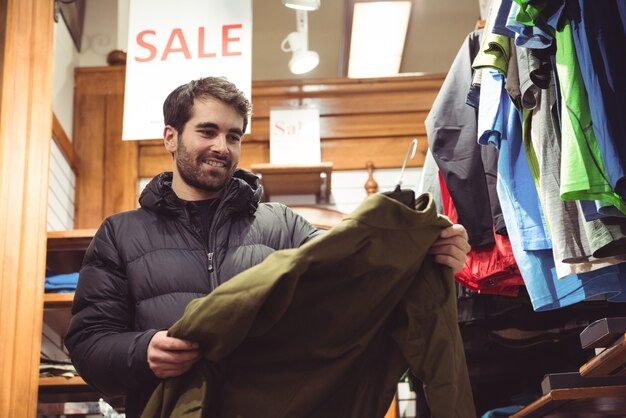
You don’t need extreme silhouettes to look modern. A simple shift like moving from skinny to straight or relaxed-tapered can update your style immediately. Look for pants that sit comfortably at the waist, have room to move, and fall cleanly.
Add one or two pairs of mens trendy bottom wear in versatile colors such as charcoal, navy, or olive. Then pair them with simple tops and clean shoes. When the pants are the modern element, everything else should be quiet so the outfit feels balanced rather than forced.
Make your office looks modern on a tight budget
Workwear can become expensive if you chase “dressy” brands, but the modern route is often simpler: clean lines, solid colors, and a sharp fit. A neutral trouser, a knit polo or button-down, and a minimal jacket can read professional without feeling dated.
If you need a practical direction, build around smart work attire. by selecting pieces that also work off the clock. A blazer that pairs with jeans, or trousers that look good with sneakers, gives you more uses per dollar and reduces the need for a separate work-only wardrobe.
Accessories that elevate without draining your wallet
Accessories are multipliers. A good belt, a simple watch, and a clean bag can make basic outfits feel deliberate. Keep accessories minimal and consistent so they work with everything. Matching leather tones (or staying within one family) is an easy trick that looks refined.
Footwear care is another “free upgrade.” Clean sneakers, brushed suede, and polished leather dramatically change how your outfits read. People notice shoes, and good maintenance can make inexpensive pairs look premium.
Make a simple buying plan and avoid the budget traps
The biggest budget trap is buying too many “deals” that don’t fit your life. Instead, create a short list based on gaps: one versatile pant, one layer, one shoe category, and one upgraded basic. Set a monthly cap and stick to it.
Also, don’t overbuy trends. If you want something current, buy one item and wear it often. That’s how you learn what suits you. Include timeless style Ideas in your plan by choosing modern shapes in classic colors, so items stay wearable even when trends shift.
Conclusion
Looking modern on a budget is about building a smart system: a consistent color palette, reliable layers, and pants that fit well and feel current. When you shop secondhand, tailor selectively, and maintain what you own, your wardrobe starts to look intentional rather than expensive for the sake of it. With a clear plan and a few strategic upgrades, you can dress confidently, stay comfortable, and keep your money for the things that matter more than labels.


 appearworld